NSA/CSS EPL-listed
Garner TS-1XTE
Erases hard drives and tapes in 15 seconds. Includes SCAN-1X logging for every cycle.
- Field
- 2.0 T (20 000 G)
- Capacity
- 150 × 3.5″ per hour
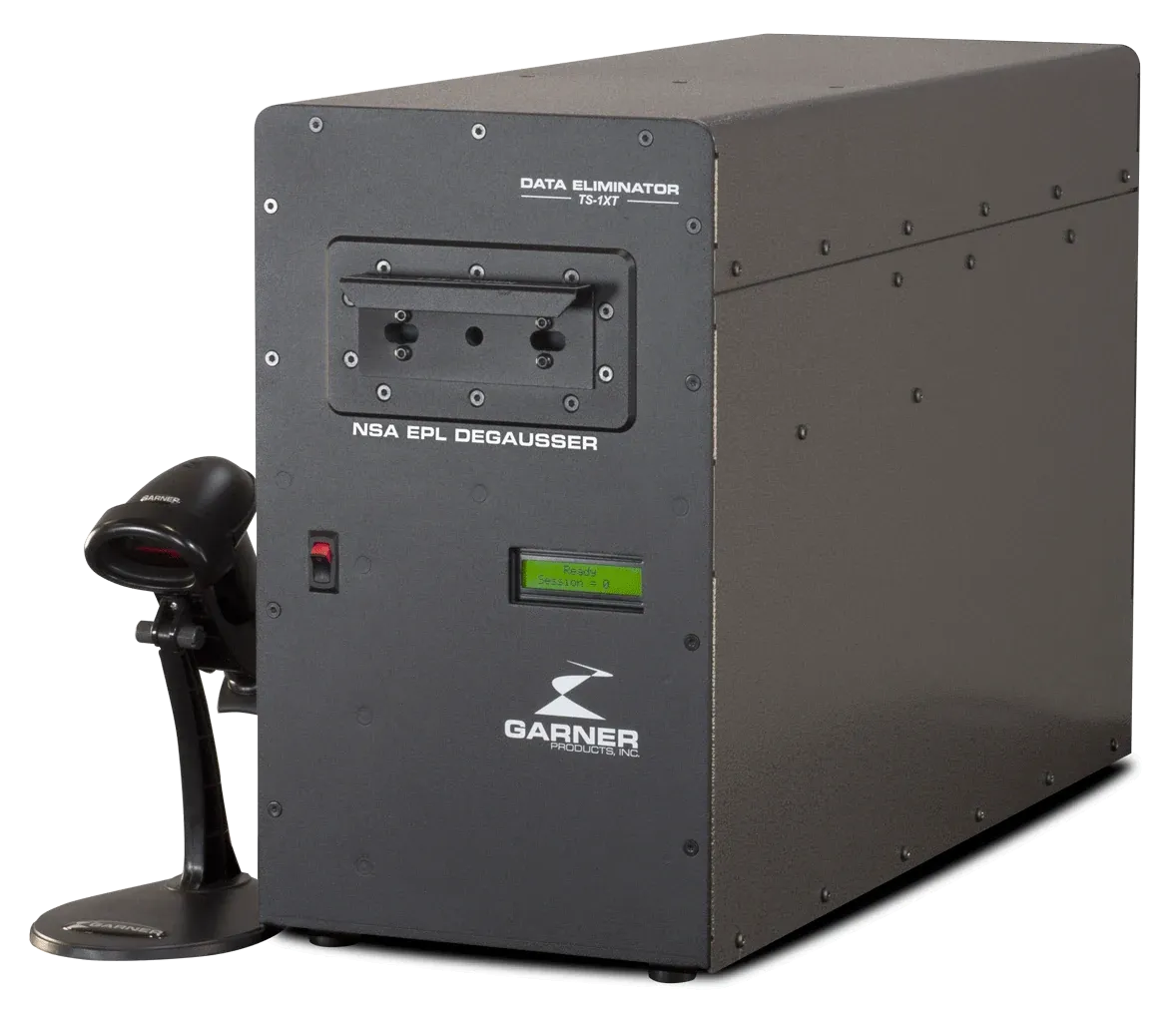 DegaussersErase magnetic media with a strong magnetic field.5 models
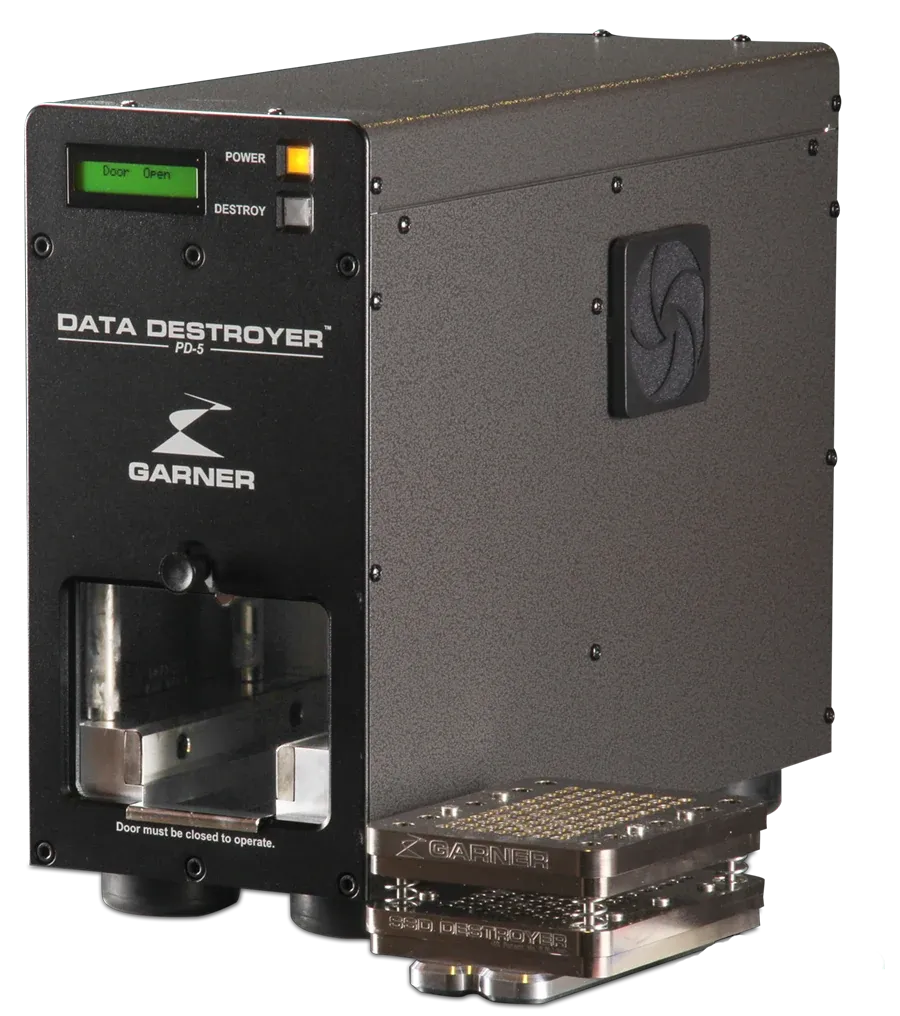 DestroyersPhysically deform hard drives and SSDs.2 models
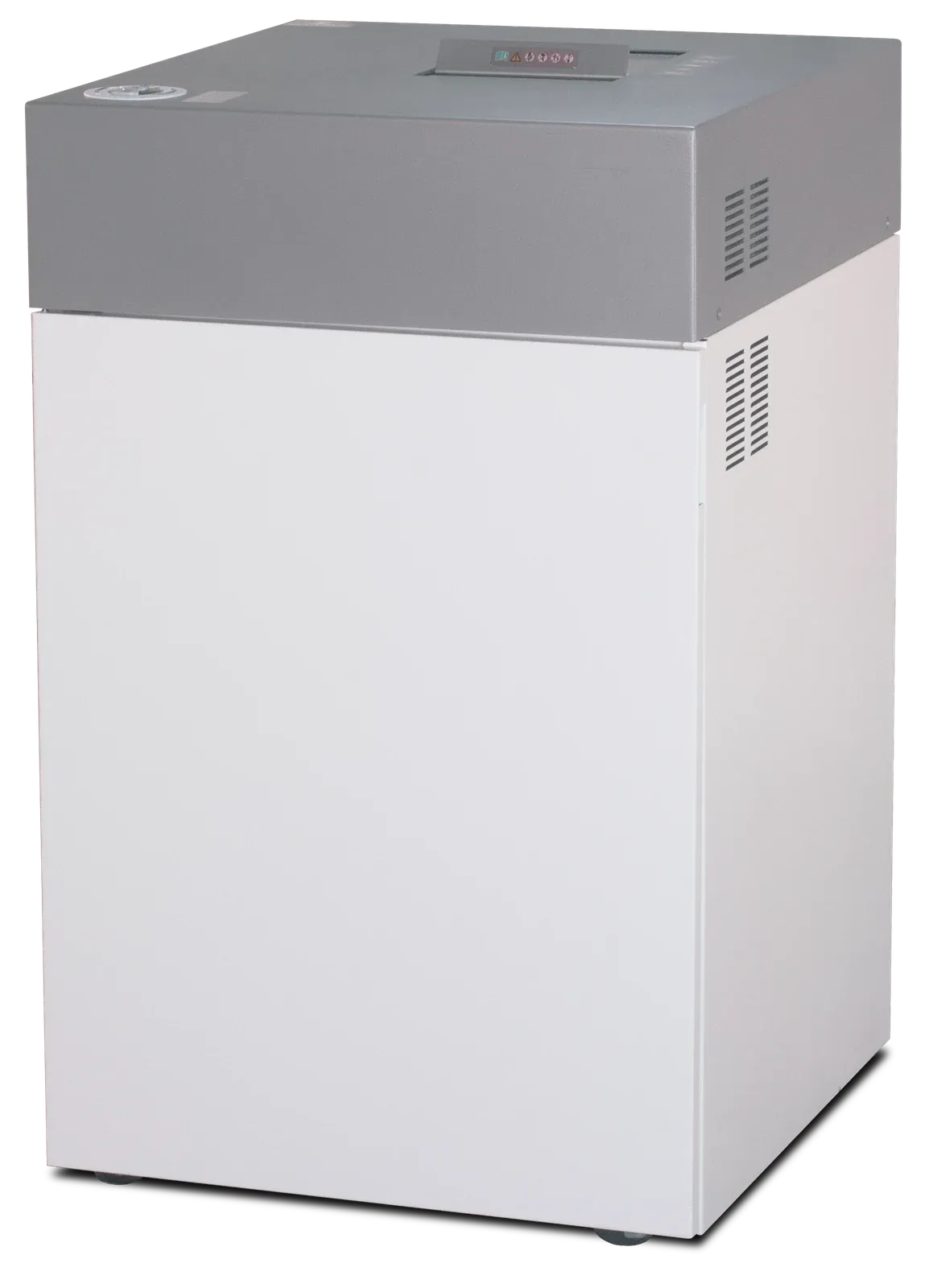 ShreddersShred flash memory, SSDs and small media.1 model
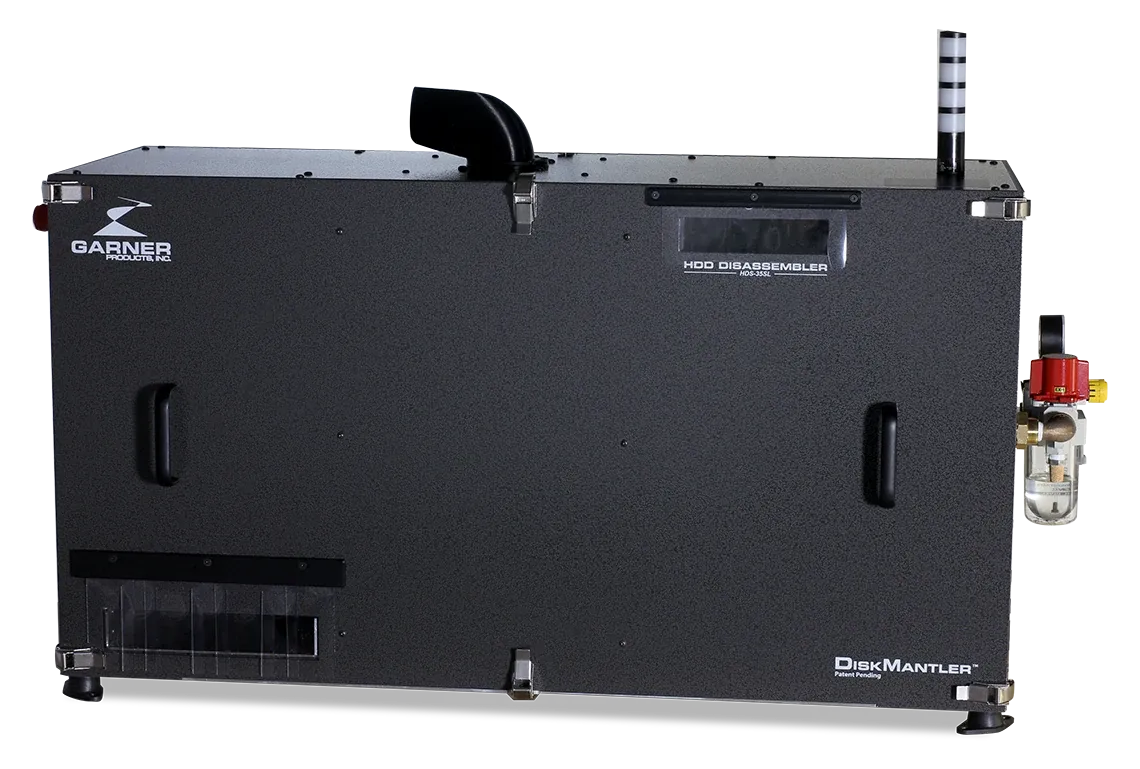 DiskMantlersDismantle hard drives into separate components.3 models
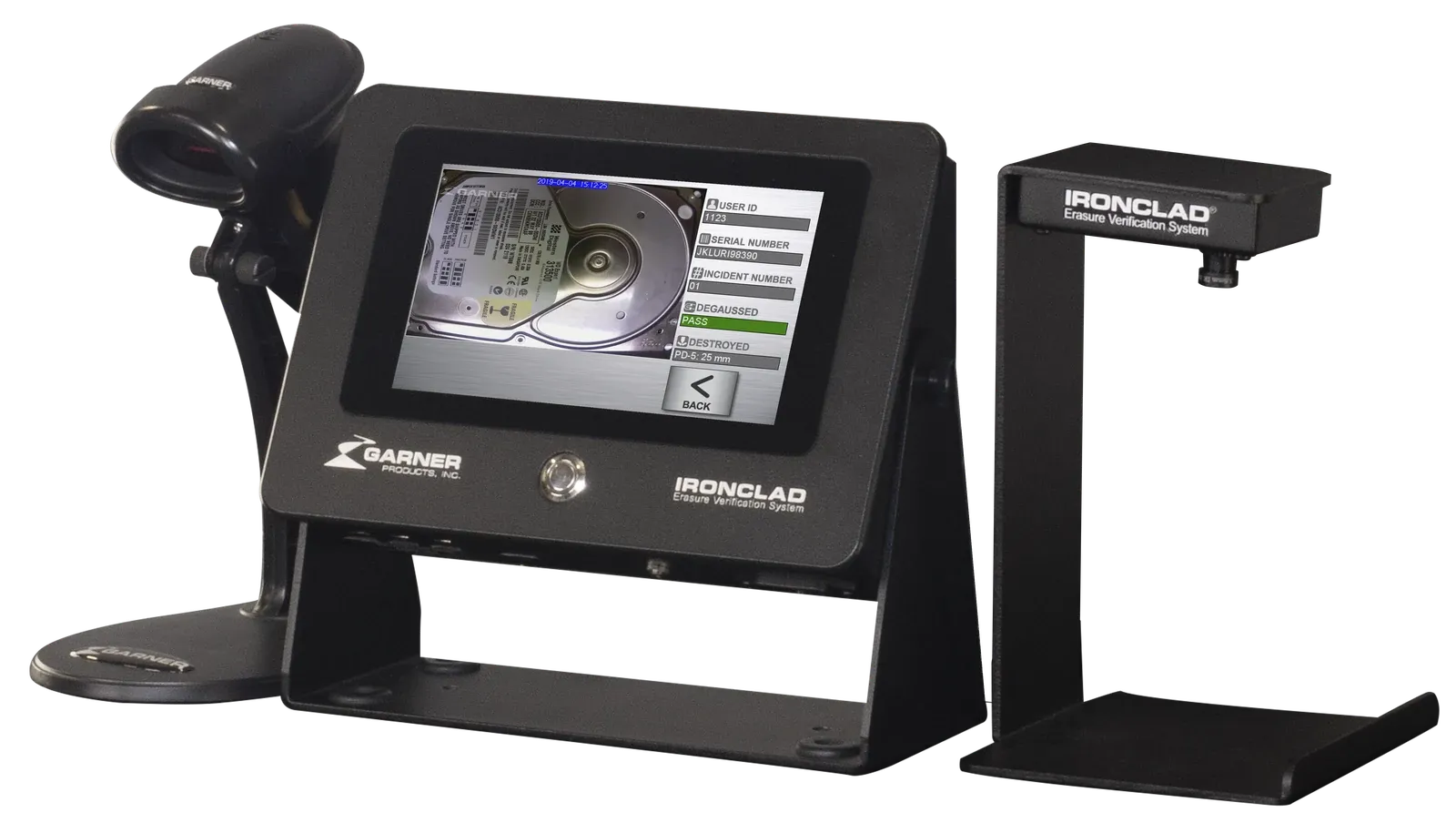 VerificationRecord and prove every erased or destroyed drive.1 model
Standard · USA
Guidelines for Media Sanitization from the US National Institute of Standards and Technology. The second revision was published in September 2025 and is widely used outside the United States as well.
NIST SP 800-88 helps organisations make data on storage media inaccessible before the media are reused, leave the organisation or are disposed of. Sanitisation, in NIST terms, means that access to the data is infeasible for a given level of recovery effort.
Revision 2 (September 2025) puts more weight on an organisation-wide sanitisation programme: policy, roles, verification and documentation. For the technical details of each technique it refers to other specifications, including IEEE 2883 and NSA/CSS specifications.
Which method fits depends on the type of media, the sensitivity of the data and what happens to the media afterwards.
Hard drives and tapes can be purged with a degausser and then physically destroyed with a destroyer if your policy requires destroy. SSDs and flash memory cannot be degaussed; for them, physical destruction with an SSD insert or a shredder applies.
NIST also asks you to verify and record the result. IRONCLAD records every item with a photo, the result and a certificate.
NIST SP 800-88 does not certify machines. A machine supports a method; whether your process meets the guideline depends on your policy, procedures and records.
Erases hard drives and tapes in 15 seconds. Includes SCAN-1X logging for every cycle.
Bends and breaks hard drives with more than 10 tons of force in under 20 seconds. NSA/CSS EPL-listed.
Shreds SSDs, USB sticks, phones and optical discs into particles of 4 × 15 mm.
Photo, pass/fail result and certificate per drive. For Garner degaussers, destroyers and the FLASHPRO, or stand-alone.
A specialist looks at your media, your volume and the standard you need to demonstrate.